 Pin It
 The first time I saw mayonnaise blend together in just seconds, I was both amazed and skeptical, standing by my friend&apost;s kitchen counter with an immersion blender in hand. There&apost;s a certain suspense—will it actually turn creamy, or will I just have a soupy mess? As the oil and egg transformed, the scent of sharp mustard and lemon made me think of summer picnics and fresh sandwiches. Now, whipping up homemade mayo feels more like a party trick than a chore, especially when guests watch it happen.
I made this for my cousin&apost;s impromptu lunch, when the fridge was nearly empty and store-bought mayo wasn&apost;t an option. Watching everyone gather to taste the result, I realized bragging rights come easy once you serve homemade condiments. It was gone in one meal, but the requests for another batch lingered for days.
Ingredients
- 1 large egg (room temperature): It&apost;s essential to have the egg at room temperature for perfect emulsification; cold eggs always led to split mayo for me.
- 1 tablespoon Dijon mustard: This adds just enough zing and helps stabilize the mix—sometimes I reach for extra when I want a tangy kick.
- 1 tablespoon white wine vinegar or lemon juice: Fresh lemon juice brings brightness, but vinegar steers it into classic territory; use whatever you have on hand.
- 1 cup neutral oil: Choose sunflower or canola for mild flavor; a robust olive oil can turn the mayo bitter if you go overboard.
- 1/2 teaspoon sea salt: Fine salt dissolves easily and delivers a clean flavor—never use table salt, it&apost;s too harsh.
- 1/4 teaspoon black pepper (optional): If you want a subtle bite, grind fresh pepper; pre-ground tastes flat and can leave dark flecks.
Tired of Takeout? 🥡
Get 10 meals you can make faster than delivery arrives. Seriously.
One email. No spam. Unsubscribe anytime.
Instructions
- Start with the base:
- Add egg, mustard, vinegar or lemon, salt, and pepper into your tall blending container, and notice the sharp aroma as you layer the ingredients.
- Layer on the oil:
- Gently pour the oil right on top—be careful to avoid splashes so the layers stay intact.
- Emulsify:
- Plunge the immersion blender to the very bottom and switch it on—watch the mixture thicken as the blender hums.
- Incorporate oil fully:
- Begin raising the blender slowly, moving it up and down so the last drops of oil disappear into creamy mayo; don&apost;t rush or the mayo might split.
- Season and taste:
- Spoon out a little and sample—too tangy or salty? Adjust and blend just a bit more.
- Store:
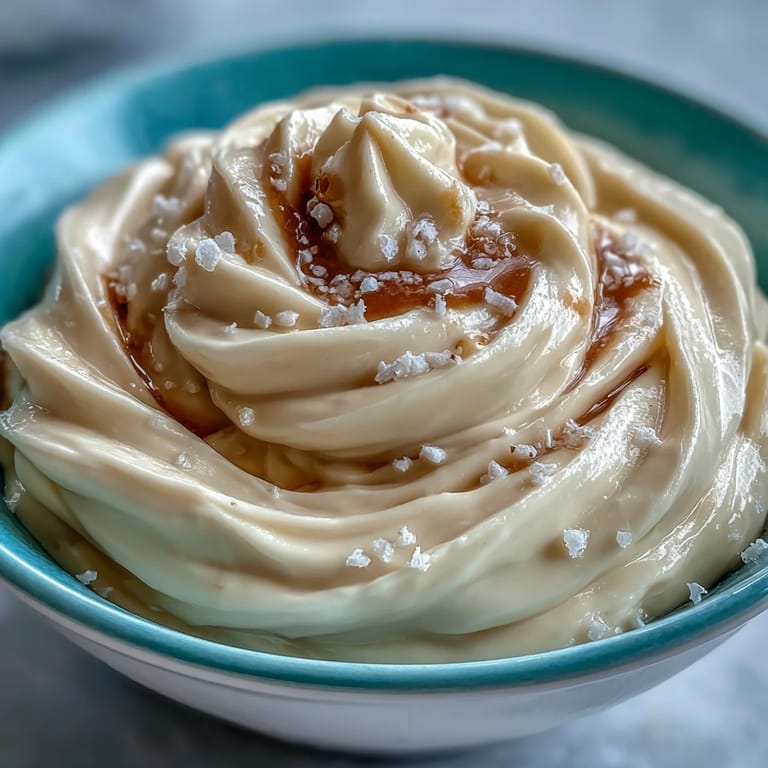
- Transfer to a clean jar, seal well, and refrigerate—admire how glossy and thick it looks as you scrape the blender.
 Pin It
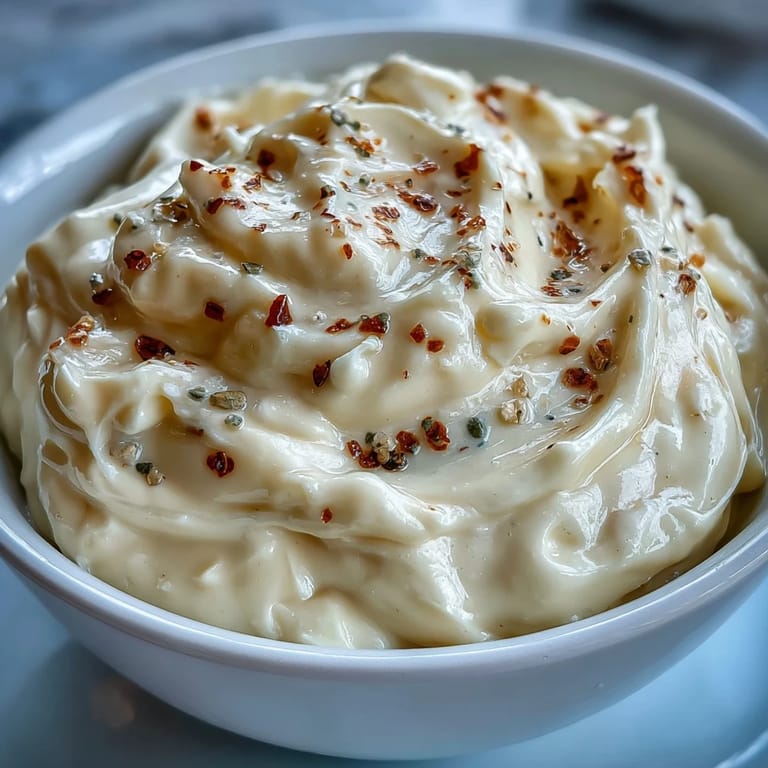
 Sharing this mayo at a spring family barbecue changed its status from condiment to centerpiece—people dipped everything, even the grilled asparagus. It became a conversation starter, and someone always asks if I have a secret ingredient.
Making It Your Own
A little garlic or smoked paprika can turn this into a dipping sauce on a whim. If I&apost;m making potato salad or a sandwich spread, I sometimes stir in fresh herbs, and every time the result feels tailor-made.
Storage & Safety
Fresh mayo needs a clean jar and a cold fridge; I learned the hard way not to leave homemade mayo on the counter for more than an hour. Pasteurized eggs are worth it if you worry about raw ingredients, and sealing the jar tight keeps flavors locked in.
Troubleshooting & Quick Fixes
If your mayo splits, start again with a new egg and blend in the separated batch slowly. Don&apost;t give up—once I saved an entire batch just by whisking patiently. Adjust the seasoning only after blending for best results.
- If the mayo is too runny, use just a little more oil and blend again.
- A blender that&apost;s not reaching the bottom won&apost;t emulsify properly.
- Always clean your equipment thoroughly before starting.
 Pin It
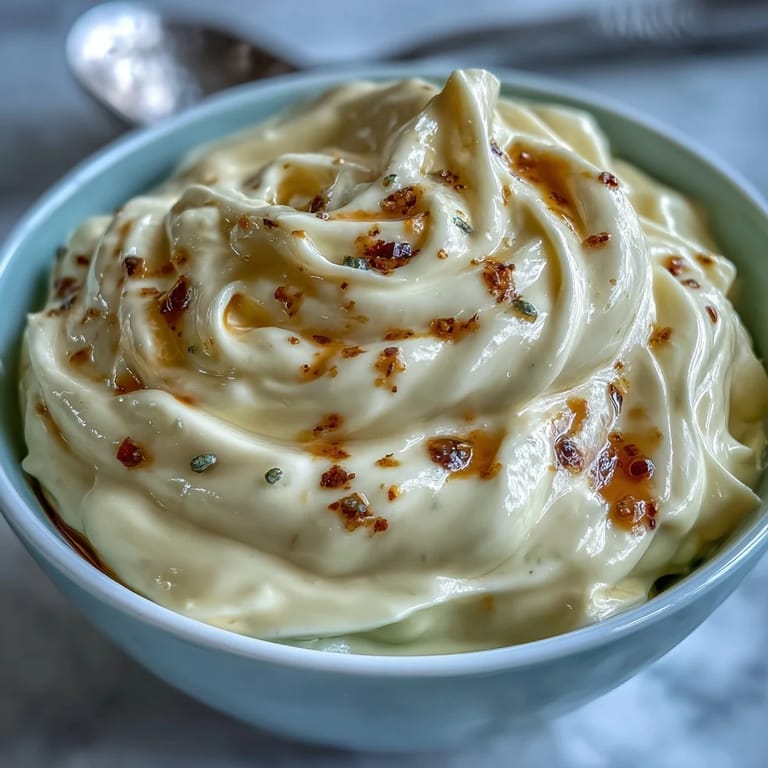
 With just one jar and five minutes, you have a batch of mayo that beats anything from the store. It&apost;s a small effort that always feels like a big win.
Recipe FAQs
- → How long does homemade mayonnaise last?
Store tightly sealed in the refrigerator and use within 1 week for best freshness.
- → Can different oils be used?
Neutral oils like sunflower, canola, or light olive oil work best; olive oil imparts a stronger flavor.
- → Is this suitable for vegetarians or gluten-free diets?
Yes, this spread is both gluten-free and vegetarian when prepared with approved ingredients.
- → How can I customize the flavor?
Add more vinegar or lemon juice for tang, or blend in garlic for a garlicky aioli variation.
- → Is there a risk using raw eggs?
If concerned, use pasteurized eggs to reduce risk while maintaining creamy texture and taste.
- → Can a regular blender be used?
An immersion blender is preferred for speed and texture, but a traditional blender may also work.