 Pin It
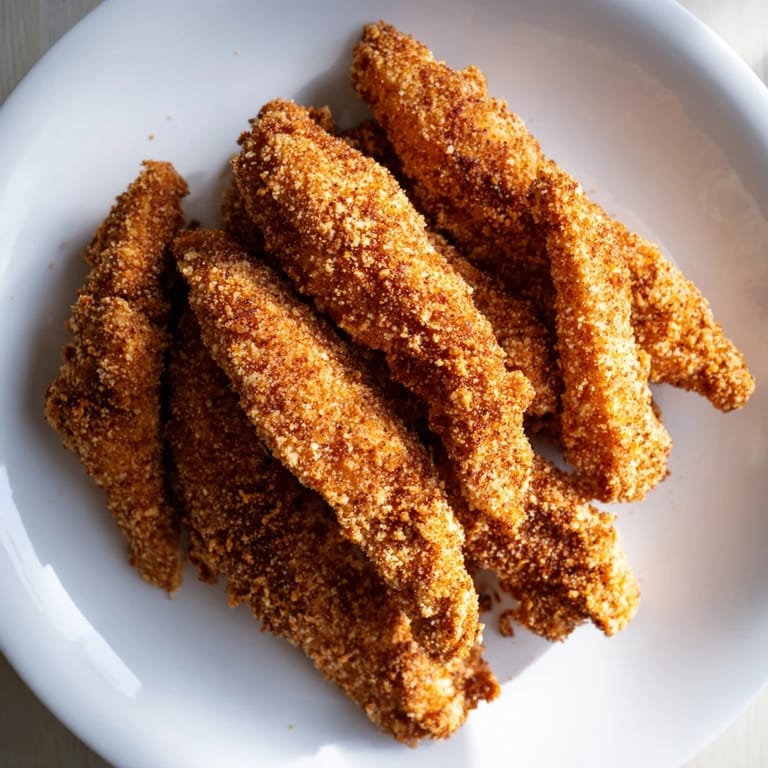
 There's something about the smell of chicken hitting hot oil that takes me back to lazy Sunday afternoons at my aunt's kitchen, where she'd fry up batch after batch of these golden tenders while we sat at the counter stealing warm pieces before they even cooled. She never followed a recipe, just grabbed buttermilk and whatever spices were in reach, but somehow every tender came out impossibly juicy inside with a shatteringly crisp crust. Years later, I finally figured out her secret: the buttermilk isn't just for flavor, it's doing the heavy lifting to keep the meat tender while the double seasoning in the flour does all the talking. Now I make these whenever I need something that feels both effortless and impressive.
I made these for a potluck once and watched a friend who swears he only eats fancy restaurant food quietly demolish four tenders without saying a word, then ask if I'd made them myself. When I nodded, he got this look like I'd just revealed I could speak a secret language, and suddenly I understood why my aunt guarded this recipe like it was made of gold.
Ingredients
- Chicken tenders or breasts cut into strips: Buy the pre-cut tenders if they're available; if you're cutting your own, aim for even thickness so everything cooks at the same speed and nobody ends up with a raw surprise.
- Buttermilk: Don't skip this or substitute regular milk, the acid in buttermilk actually tenderizes the chicken while regular milk just sits there doing nothing.
- Salt, black pepper, garlic powder, onion powder, paprika: These five ingredients are doing the real work in both the marinade and the coating, building flavor that tastes like it took hours to develop.
- Cayenne pepper: Optional but honestly, a quarter teaspoon transforms this from simple to memorable, especially if you're serving people who love a tiny whisper of heat.
- All-purpose flour: The baking powder in the coating is the trick that gives you that extra-shatteringly crispy exterior without tasting like anything other than fried chicken.
- Vegetable oil: Use whatever neutral oil you have; the temperature matters far more than the brand.
Tired of Takeout? 🥡
Get 10 meals you can make faster than delivery arrives. Seriously.
One email. No spam. Unsubscribe anytime.
Instructions
- Make the buttermilk bath:
- Whisk buttermilk with salt, pepper, garlic powder, onion powder, paprika, and cayenne in a bowl big enough to hold all the chicken. The spices should dissolve into the buttermilk and smell absolutely amazing the moment they hit the liquid.
- Marinate the chicken:
- Coat each tender thoroughly in the buttermilk mixture, then cover and refrigerate for at least 2 hours. I usually do overnight because I like knowing the flavor has time to sink all the way through.
- Prepare your flour mixture:
- Combine flour, salt, pepper, paprika, garlic powder, onion powder, and baking powder in a shallow dish, stirring everything together so the seasonings aren't clumpy. This is your crispy coating foundation.
- Coat the chicken:
- Pull a tender from the marinade, let the excess buttermilk drip off for just a second, then press it into the flour mixture, making sure every surface gets covered. Don't be shy with the coating; place each one on a clean plate as you go.
- Heat your oil:
- Pour about 2 inches of vegetable oil into a large deep skillet or Dutch oven and heat it to 350°F. Use a thermometer because eyeballing this is how you end up with pale tenders or burnt exteriors.
- Fry in batches:
- Working with only 3 to 4 tenders at a time so the oil stays hot, fry each side for about 3 to 4 minutes until golden brown and the internal temperature reaches 165°F. You'll hear a satisfying sizzle the moment they hit the oil, and that's how you know you're doing it right.
- Drain and serve:
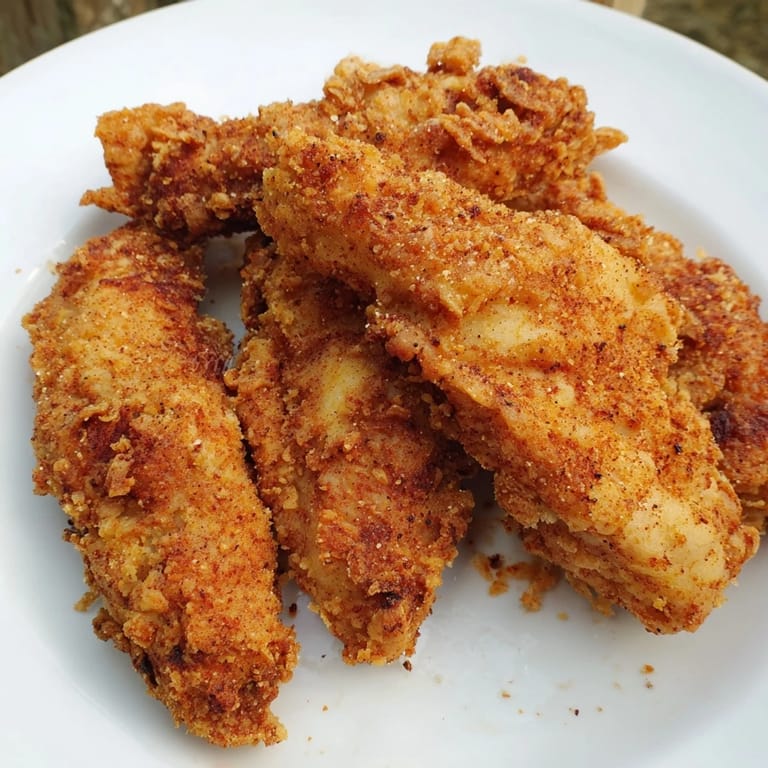
- Transfer finished tenders to a wire rack or paper towels so they stay crispy. Serve immediately while they're still hot and the crust is at its shatteringly perfect best.
 Pin It
 The first time someone told me these were better than the restaurant version they usually order, I felt like I'd cracked some ancient code. Turns out comfort food isn't about complexity, it's about respecting simple ingredients enough to do them right.
The Marinade Magic
The buttermilk marinade is doing three things at once: the acid is breaking down the proteins so the meat stays tender, the dairy is coating the chicken so spices can cling to every surface, and the time in the fridge is letting all those flavors seep deep into the meat. Two hours is the minimum, but honestly, overnight in the refrigerator is when this recipe truly comes alive. I once left tenders in there for almost 24 hours by accident, and the chicken was so flavorful and juicy I wondered if I'd accidentally made something fancy.
Getting the Crust Right
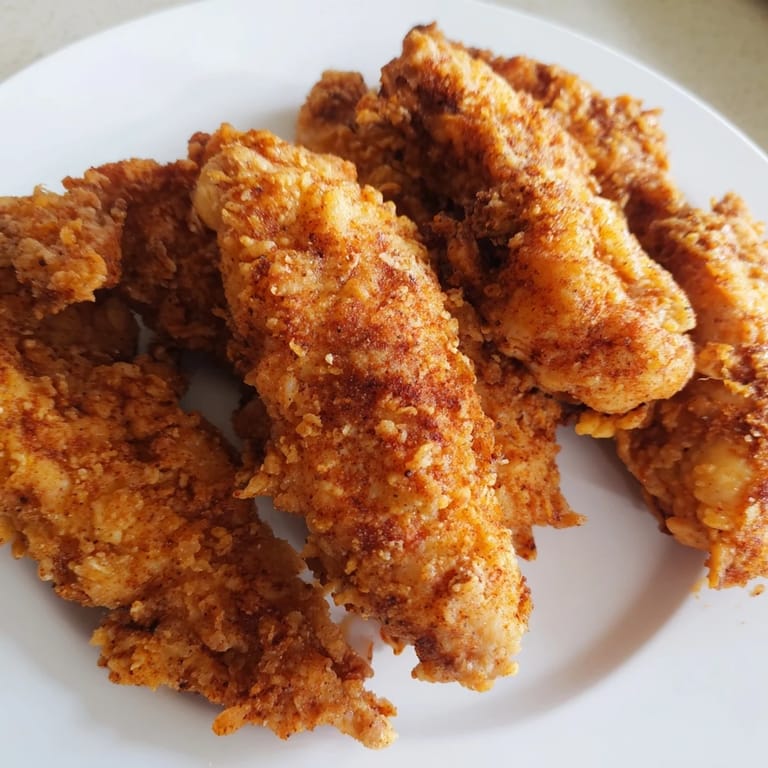
The secret to that shattering, crispy exterior is actually pretty simple: the baking powder in the flour mixture creates tiny air pockets as it fries, which is what gives you that texture that sounds like you're biting into something slightly impossible. Some people swear by double-dipping, and I've learned they're right. After your first flour coat, dip the tender back into the buttermilk once more, then coat it again in fresh flour, and you've essentially created armor that will stay crispy even if you're not eating immediately.
Serving and Storage
These are best eaten the moment they come out of the oil, but I've learned you can reheat leftovers in a 350°F oven for about 8 minutes if life gets in the way. They'll never be quite as crispy as fresh, but they're still infinitely better than cold fried chicken straight from the fridge, and honestly they're delicious with honey mustard, ranch, or even a squeeze of lemon if you're feeling fancy.
- Store cooled tenders in an airtight container in the refrigerator for up to three days.
- You can freeze them raw in the marinade for up to a month, then fry straight from frozen, adding a minute or two to the cooking time.
- Leftover tenders make incredible chicken sandwiches or salad toppers the next day.
 Pin It
 These tenders have become my answer to almost every question: what's for dinner, what should we bring to the potluck, what will make someone smile. There's real magic in how something this simple can feel like a gift.
Recipe FAQs
- → How long should the chicken marinate?
For best results, marinate the chicken tenders for at least 2 hours, allowing the buttermilk and spices to tenderize and infuse flavor deeply.
- → What oil is best for frying?
Use a neutral high smoke point oil like vegetable oil to achieve a crispy and evenly browned exterior without overpowering flavors.
- → Can I make the coating extra crunchy?
Yes, try double dipping: after the first flour coat, dip back into buttermilk, then coat once more with flour for added crunch.
- → How do I know when the chicken is cooked?
Chicken tenders are done when they turn golden and reach an internal temperature of 165°F (74°C). Cooking usually takes 3–4 minutes per side.
- → What spices are in the coating?
The coating includes salt, black pepper, paprika, garlic powder, onion powder, and a bit of baking powder to enhance crispiness.