 Pin It
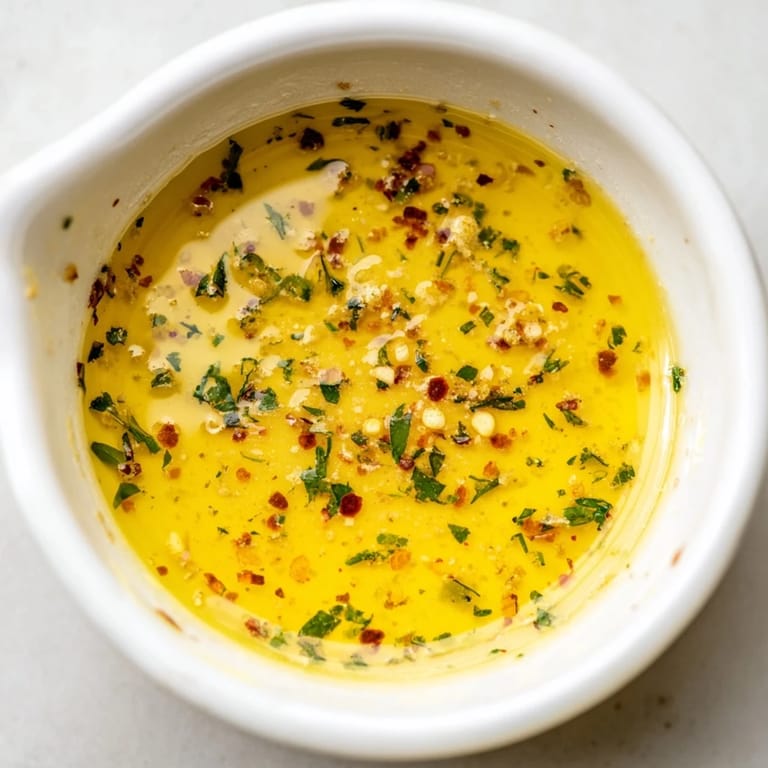
 I stumbled onto this sauce during a particularly uninspired weeknight when plain grilled chicken felt like a culinary defeat. I had butter, garlic, and a handful of herbs begging to be used before they wilted into oblivion. What started as a desperate experiment turned into something I now make at least twice a week. The first spoonful, drizzled over that boring chicken, tasted like I'd unlocked a cheat code for weeknight cooking. My partner walked in, took one bite, and asked if we were eating at a steakhouse.
The first time I served this at a backyard dinner, I watched three grown adults silently dip their steak into the bowl, then their asparagus, then just tear off chunks of bread to soak up the rest. No one spoke for a solid minute. One friend finally looked up and said, What is this and why have you been hiding it? I hadnt been hiding it, I just didnt realize how good it actually was until I saw people practically licking their plates.
Ingredients
- Unsalted butter: The creamy base that carries every other flavor, and using unsalted lets you control the saltiness perfectly.
- Garlic cloves: Fresh garlic is non negotiable here, the jarred stuff just wont give you that sharp, aromatic punch.
- Fresh parsley: Adds a bright, grassy note that cuts through the richness and keeps the sauce from feeling too heavy.
- Fresh chives: These bring a mild onion flavor and a pop of color that makes the sauce look as good as it tastes.
- Fresh thyme leaves: A little earthy, a little floral, thyme ties all the herbs together beautifully.
- Dijon mustard: This is the secret weapon that adds tangy depth and helps emulsify the sauce into something silky.
- Lemon zest: The zest has all the citrus oils that make the sauce smell incredible and taste alive.
- Freshly squeezed lemon juice: Brightness and acidity that balance the butter and wake up your palate.
- Smoked paprika: A subtle smokiness that makes people think youve been grilling all day even if you havent.
- Crushed red pepper flakes: Just enough heat to keep things interesting without setting your mouth on fire.
- Freshly ground black pepper: Adds a warm, peppery bite that layers beautifully with the other spices.
- Kosher salt: Enhances every ingredient and brings the whole sauce into focus.
- Cayenne pepper: Optional, but if you like a little more heat, this is where you add it.
Tired of Takeout? 🥡
Get 10 meals you can make faster than delivery arrives. Seriously.
One email. No spam. Unsubscribe anytime.
Instructions
- Melt the butter gently:
- In a small saucepan over medium low heat, melt the butter until it just starts to foam. You want it warm and liquid, not browned or burnt.
- Wake up the garlic:
- Add the minced garlic and saute for about 30 seconds, just until it smells amazing and turns slightly translucent. Dont let it brown or itll taste bitter.
- Build the flavor base:
- Stir in the Dijon mustard, lemon zest, lemon juice, smoked paprika, red pepper flakes, black pepper, salt, and cayenne if youre using it. Everything should come together into a fragrant, slightly bubbling mixture.
- Let it simmer:
- Keep the heat low and let the sauce simmer gently for 1 to 2 minutes, stirring constantly so nothing sticks or separates. This is where all the flavors meld into something cohesive.
- Finish with fresh herbs:
- Remove the pan from the heat and stir in the parsley, chives, and thyme. The residual heat will release their oils without cooking them into oblivion.
- Serve immediately:
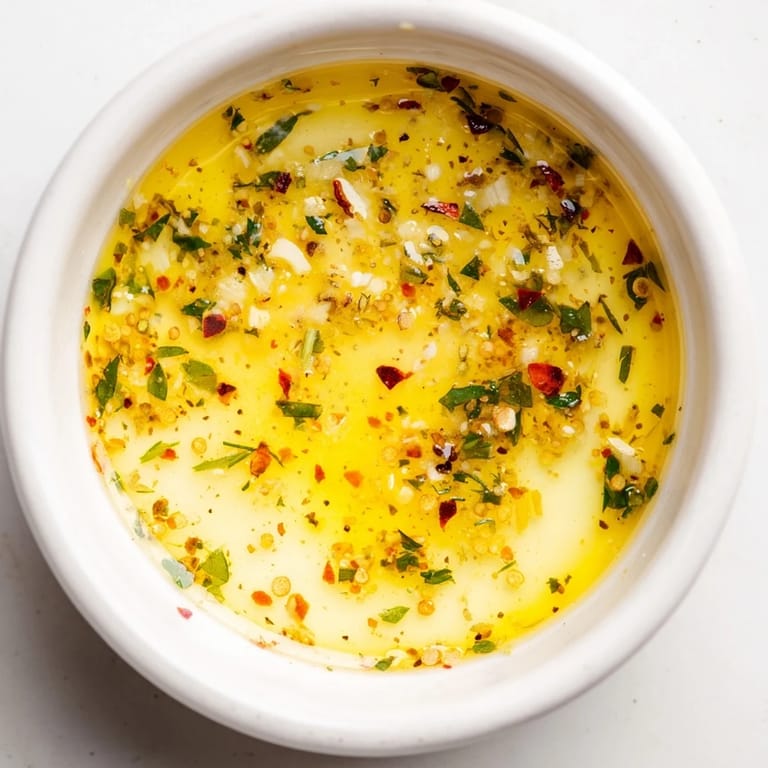
- Pour the sauce into a bowl or directly over whatever youre serving. It tastes best warm, when the butter is still silky and the herbs are vivid.
 Pin It
 One evening, I made this for my sister who claimed she didnt like anything spicy. She took a tentative taste, paused, then proceeded to drown her entire plate in it. She looked at me with wide eyes and said, Okay, maybe I like spicy now. That moment felt like a small victory, like Id converted someone to the church of bold flavors with just a few spoonfuls of butter and heat.
What to Serve It With
This sauce is wildly versatile and makes almost anything taste expensive. I love it drizzled over a perfectly seared ribeye, but its just as good on grilled shrimp, roasted chicken thighs, or even a simple piece of broiled salmon. Vegetables like roasted broccoli, grilled corn, or steamed asparagus become instantly craveable when you toss them in this. And honestly, dunking warm crusty bread into a bowl of cowboy butter might be the best use of all.
How to Store and Reheat
If you have leftovers, transfer the sauce to an airtight container and refrigerate it for up to five days. The butter will solidify, but thats totally fine. When youre ready to use it again, just scoop out however much you need and gently reheat it in a small pan over low heat, stirring until its smooth and glossy again. You can also microwave it in short bursts, stirring between each one, but I find stovetop reheating gives you more control.
Ways to Customize
Once you get the base down, you can tweak this sauce to match whatever mood youre in. Swap the thyme for rosemary if youre going for a more rustic vibe, or add a tablespoon of grated Parmesan at the end for a cheesy, nutty richness. If you want it less spicy, dial back the red pepper flakes and skip the cayenne. For a slightly sweeter version, a tiny drizzle of honey works surprisingly well.
- Try adding a pinch of minced fresh oregano for an Italian twist.
- For a smoky depth, stir in a dash of Worcestershire sauce.
- If you love garlic, double it, no one will judge you.
 Pin It
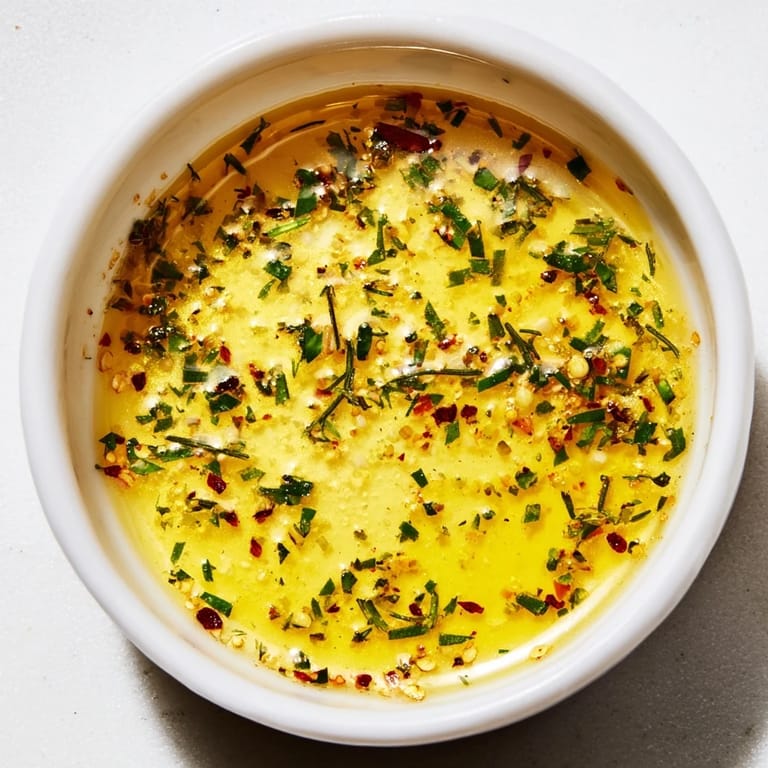
 This sauce has become one of those recipes I make without thinking, the kind that turns ordinary dinners into something special. Once you taste it, youll understand why I always keep butter and fresh herbs on hand.
Recipe FAQs
- → Can I make cowboy butter sauce ahead of time?
Yes, you can prepare it a few hours ahead and refrigerate it. Reheat gently over low heat or in a double boiler, stirring frequently to avoid the butter from separating. For best results, add fresh herbs after reheating.
- → What meats pair best with this sauce?
This sauce is exceptional on grilled or pan-seared steaks, ribeye, filet mignon, and beef tenderloin. It also complements salmon, shrimp, scallops, and firm white fish beautifully. Even chicken and lamb benefit from its bold, savory flavor profile.
- → How do I prevent the butter from breaking?
Keep the heat at medium-low throughout cooking and avoid letting it boil vigorously. Stir constantly, especially when adding acidic ingredients like lemon juice. If separation occurs, remove from heat, whisk in a tablespoon of water or cream, and stir gently to emulsify.
- → Can I substitute fresh herbs with dried?
Yes, dried herbs work well. Use one-third the amount of fresh herbs called for—so about 1 teaspoon dried parsley, 1 teaspoon dried chives, and 1 teaspoon dried thyme total. Add them during the simmering step for better flavor integration.
- → Is this sauce suitable for dietary restrictions?
This sauce is naturally gluten-free and vegetarian. However, it contains butter and mustard, so it's not suitable for vegan or dairy-free diets. Always verify ingredient labels if you have allergies or sensitivities to dairy or mustard.
- → What vegetables work well with this sauce?
Roasted corn on the cob, baked potatoes, grilled asparagus, roasted Brussels sprouts, steamed broccoli, and sautéed mushrooms are excellent choices. The bold, savory-spicy flavors enhance virtually any vegetable preparation.