 Pin It
 There's something about standing over a pot of simmering broccoli soup on a grey afternoon that makes the whole kitchen feel warmer. My neighbor brought over a container of it last winter when I was under the weather, and the first spoonful reminded me why comfort food exists—it's not just sustenance, it's a small act of kindness in a bowl. I've been making it ever since, tweaking it here and there, and it's become my go-to when I want something nourishing without the fuss.
I made this soup for a dinner party once and watched my friend—who swears she doesn't like broccoli—go back for thirds while barely pausing conversation. Watching someone change their mind about a vegetable they've avoided for years because of something you made is oddly satisfying.
Ingredients
- Broccoli florets (500 g): Fresh broccoli has more personality, but frozen works just as well and often costs less; the key is letting them soften completely so they blend into silky submission.
- Onion and garlic (1 medium onion, 2 cloves): These are your flavor foundation—don't rush the sautéing step or you'll miss the moment they turn fragrant and sweet.
- Potato and carrot (1 medium each): The potato acts as a natural thickener while the carrot adds subtle sweetness that balances the broccoli's earthiness.
- Vegetable broth (1 L): Use good quality broth if you can; it genuinely changes the final taste, though homemade is always a treat if you have it on hand.
- Heavy cream (120 ml): This finishes the soup with richness, but plant-based alternatives work beautifully if you're avoiding dairy.
- Olive oil or butter (2 tbsp): Butter adds richness while olive oil keeps things lighter; choose based on what feels right that day.
- Salt, pepper, and nutmeg: The nutmeg is optional but genuinely transforms the soup from good to memorable with just a whisper of warmth.
Tired of Takeout? 🥡
Get 10 meals you can make faster than delivery arrives. Seriously.
One email. No spam. Unsubscribe anytime.
Instructions
- Sauté your aromatics:
- Heat oil or butter in a large pot over medium heat, then add onion and garlic. You'll know they're ready when the kitchen smells like comfort and the onion turns translucent, usually around 2–3 minutes.
- Build your base:
- Add diced potato and carrot, stirring occasionally for about 3 minutes. This step starts breaking down the vegetables and infuses the oil with their flavors.
- Create the broth bath:
- Add broccoli florets and pour in vegetable broth, then bring everything to a boil before reducing heat and simmering uncovered for 15–18 minutes. The vegetables should be fork-tender, almost falling apart.
- Blend into smoothness:
- Remove from heat and use an immersion blender to puree until completely smooth. If you're using a standard blender, let the soup cool slightly first and work in batches to avoid burns and spills.
- Finish with cream and seasoning:
- Stir in the heavy cream and taste as you go, adding salt, pepper, and just a pinch of nutmeg. This is your moment to adjust everything to your preference.
- Serve with warmth:
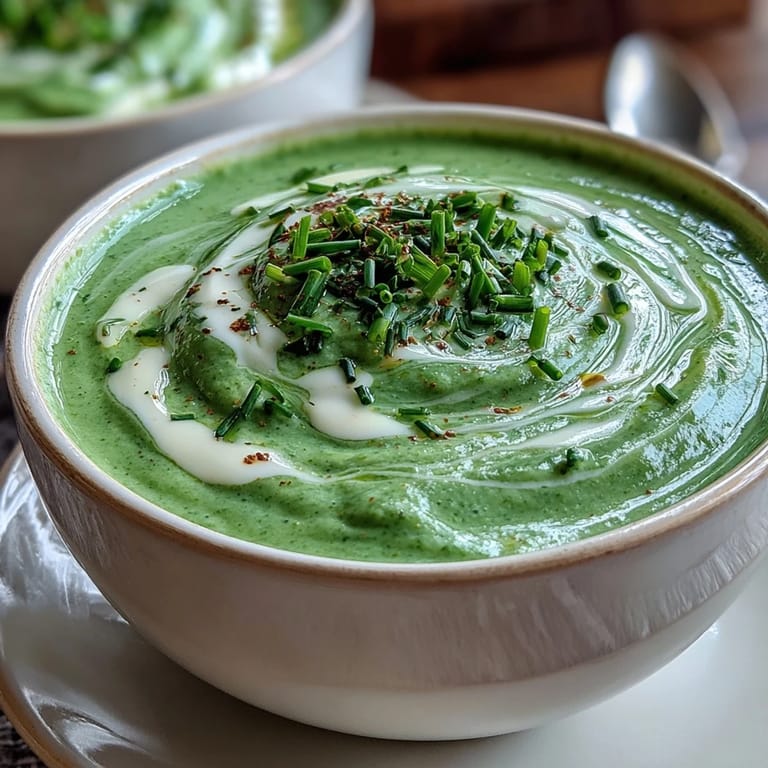
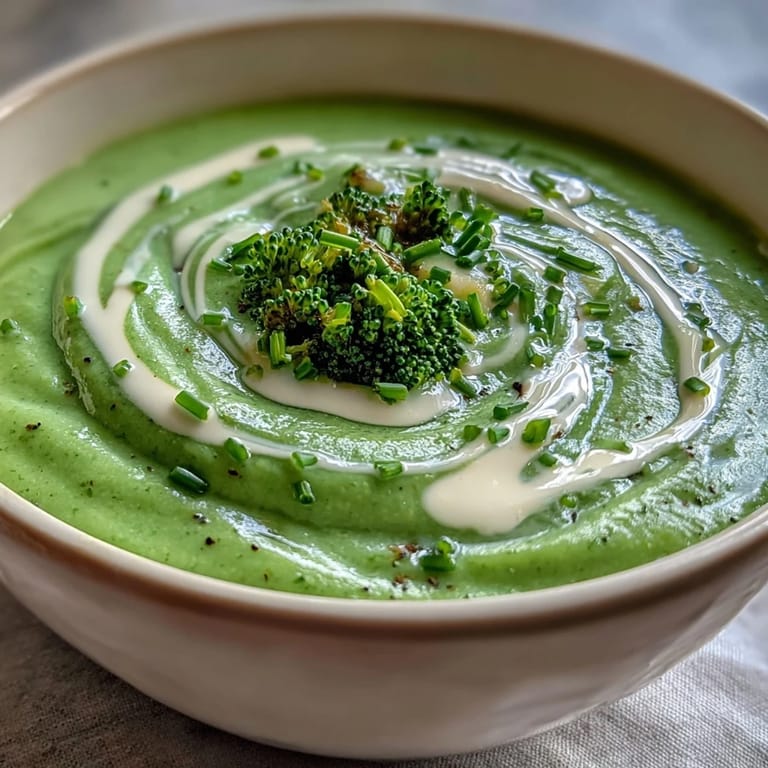
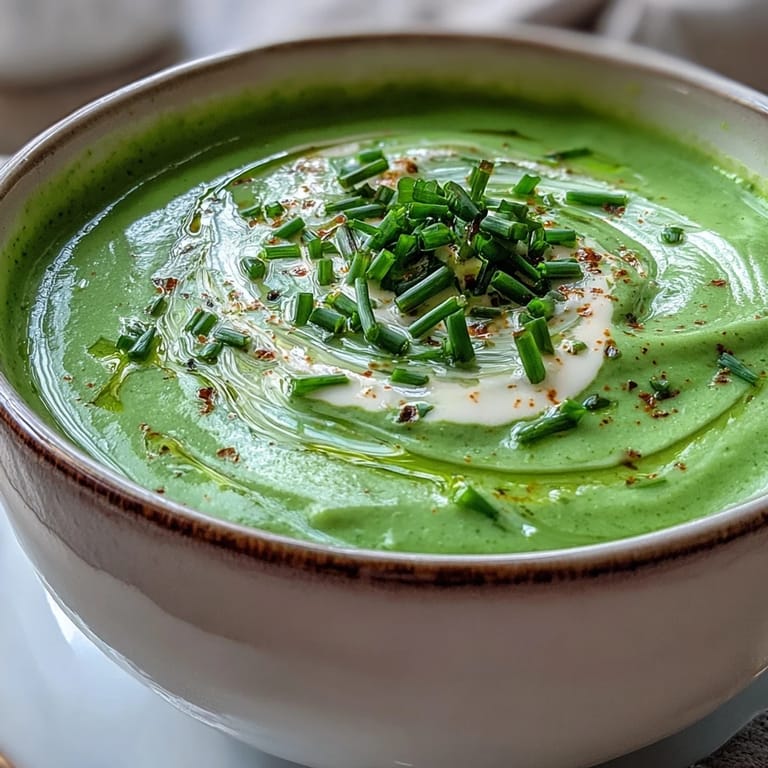
- Reheat gently if needed and ladle into bowls with your choice of toppings—a drizzle of cream, crispy croutons, or fresh chives all add texture and interest.
 Pin It
 My daughter asked me once why this soup tastes different from the canned kind, and I realized it's because when you make something from actual vegetables instead of a can, you taste the care in it. That's the real magic.
Flexibility Is Your Friend
This recipe is forgiving enough to work with whatever vegetables are in your crisper drawer. Spinach, kale, or even zucchini blend beautifully into the base, adding nutrients without changing the essential character of the soup. I've also added a splash of white wine while sautéing the aromatics, which adds subtle depth without anyone being able to identify where it came from.
The Plant-Based Path
Swapping the butter for olive oil and using plant-based cream creates a version that's equally satisfying. A friend who's vegan brought her own version to a potluck, and it was genuinely indistinguishable from the traditional version once it was ladled into bowls. The nutmeg becomes even more important in the plant-based version because it adds that sense of richness.
Storage and Serving Suggestions
This soup keeps in the refrigerator for up to four days and freezes beautifully for up to three months, making it perfect for meal prep or unexpected guests. I always freeze it before adding the cream, then stir that in while reheating for the best texture.
- Pair with crusty bread or a grilled cheese sandwich for a complete meal that feels both simple and special.
- Top with crispy croutons, a swirl of cream, or fresh chives to add texture and visual appeal.
- Add a squeeze of fresh lemon juice at the end if the soup feels heavy or if you want a brightness that cuts through the richness.
 Pin It
 This soup has quietly become one of those recipes I reach for without thinking, the kind that shows up on the table when comfort is needed. It never disappoints.
Recipe FAQs
- → Can I freeze this soup?
Yes, freeze without the cream for up to 3 months. Add cream when reheating for best texture and consistency.
- → How do I make it vegan?
Substitute heavy cream with coconut cream, cashew cream, or oat milk. Use olive oil instead of butter for sautéing vegetables.
- → Why add potato to broccoli soup?
Potato acts as a natural thickener, creating a smoother, creamier texture without needing excessive cream or flour.
- → Can I use frozen broccoli?
Absolutely. Frozen broccoli works perfectly and may actually reduce cooking time by a few minutes. No need to thaw first.
- → How can I make the soup extra green?
Add a handful of fresh spinach or kale during the last 2 minutes of simmering. Blend thoroughly for vibrant color and added nutrients.