 Pin It
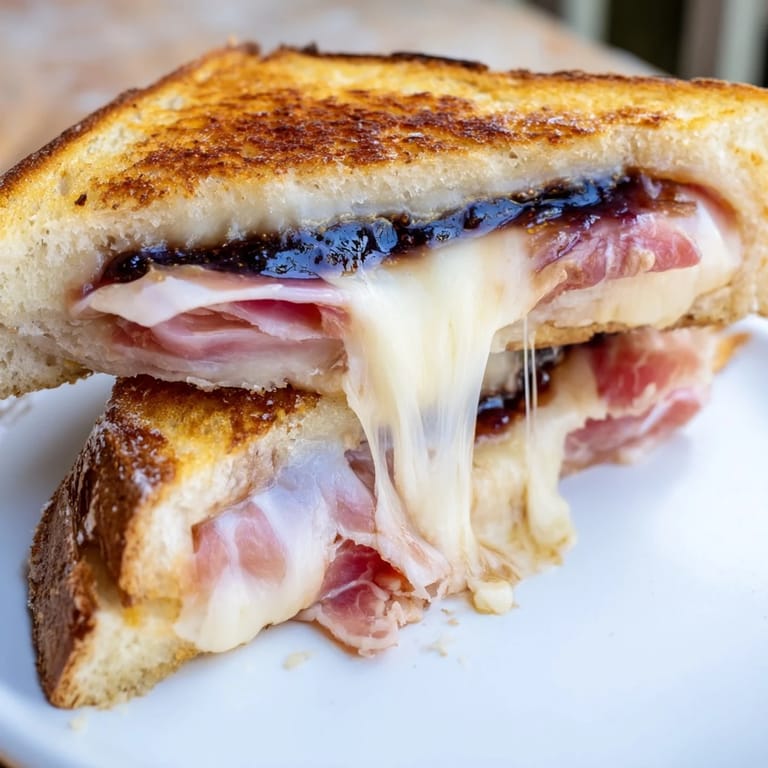
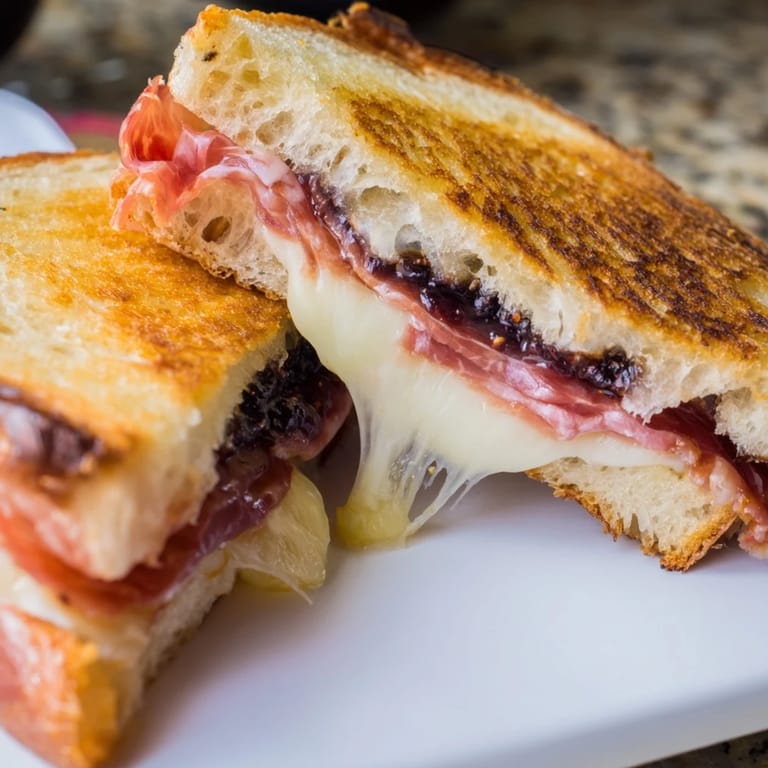
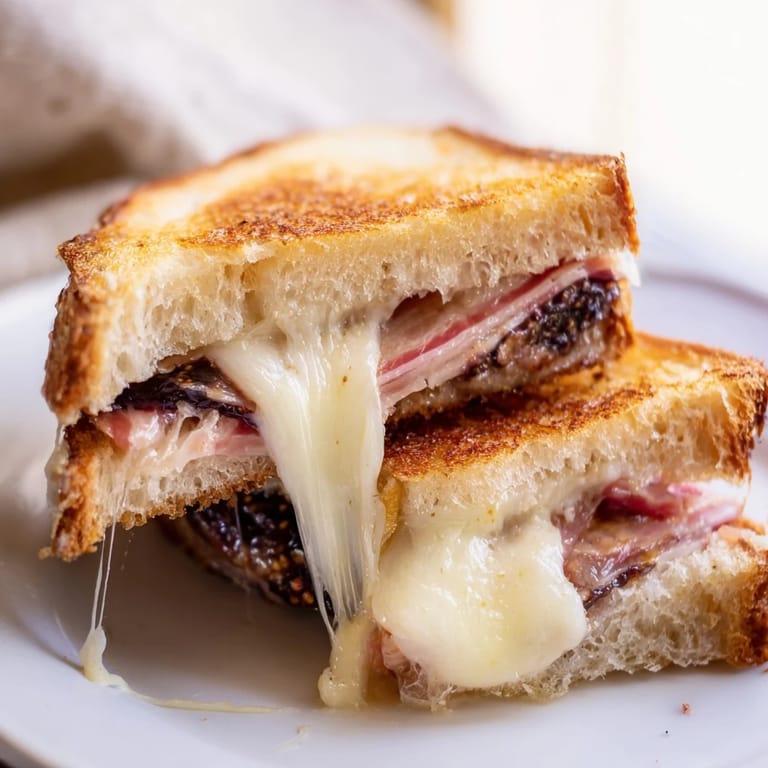
 The smell of caramelizing fig jam hit me before I even flipped the sandwich. I was standing at the stove with a cast iron skillet, no fancy press, just a second pan weighing down two slices of bread that were starting to hiss and crackle. The prosciutto had crisped at the edges where it peeked out, and the fontina was doing that slow, gorgeous melt that makes you lean in closer. I had thrown this together on a whim after finding half a jar of fig jam in the back of the fridge, and it turned into one of those meals that felt too good to be so simple.
I made these for a friend who had just moved into a new apartment with no furniture yet. We sat on the floor with paper towels as plates, and she kept saying she couldn't believe I made them in her tiny kitchen with just a skillet. The cheese was still stretching between bites, and we were laughing about how fancy we felt eating on the ground. That sandwich became her go to whenever she needed to impress someone without actually trying too hard.
Ingredients
- Rustic Italian bread: Ciabatta or sourdough hold up to the press without getting soggy, and their texture gives you those perfect crispy ridges.
- Fig jam: This is where the magic lives, the sweetness cuts through the salt and makes the whole thing sing.
- Fontina cheese: It melts like a dream and has a mild, buttery flavor that does not fight with the prosciutto.
- Prosciutto: Salty, delicate, and it crisps just enough at the edges when the sandwich heats up.
- Unsalted butter: Softened butter spreads easier and gives you that golden, toasty crust without burning.
Tired of Takeout? 🥡
Get 10 meals you can make faster than delivery arrives. Seriously.
One email. No spam. Unsubscribe anytime.
Instructions
- Get the heat going:
- Preheat your panini press or set a large skillet over medium heat. If you are using a skillet, find a second heavy pan or something flat to press down with.
- Build the base:
- Spread 1.5 tablespoons of fig jam on one side of two bread slices, going all the way to the edges so every bite gets some sweetness.
- Layer the filling:
- Place 2 slices of prosciutto on each jam covered slice, then lay 2 slices of fontina on top. Press the remaining bread slices on top to close the sandwiches.
- Butter the outside:
- Spread softened butter on the outer sides of both sandwiches, covering every inch for an even golden crust.
- Press and cook:
- Place the sandwiches in the press or skillet and cook for 3 to 4 minutes per side, pressing down firmly. You want the bread crisp and striped, and the cheese fully melted.
- Slice and serve:
- Pull them off the heat, slice each sandwich in half, and serve while the cheese is still gooey and stretching.
 Pin It
 There was an afternoon when I made a batch of these for a small gathering, and someone asked if I had gone to culinary school. I laughed because I had learned to make them by accident, just trying to use up leftovers. But that is what I love about this sandwich, it looks and tastes like effort, but it is really just good ingredients doing their thing. Everyone went quiet when they took the first bite, and that is always the best compliment.
Choosing Your Bread
The bread matters more than you think. I have tried this with soft sandwich bread and it just turned into a soggy mess under the press. Ciabatta is my favorite because it has those big air pockets that crisp up beautifully, and sourdough adds a slight tang that plays well with the fig jam. Just make sure whatever you use has some structure and a good crust, or it will not hold up to the butter and heat.
Cheese Swaps That Work
Fontina is my first choice, but mozzarella makes it milder and stretchier, which some people love. Taleggio brings a funkier, creamier vibe if you are feeling adventurous, and brie or goat cheese will give you a tangier edge that balances the sweetness differently. I have also used a sharp white cheddar in a pinch, and it was still delicious, just a little less traditional.
Serving and Pairing Ideas
This sandwich does not need much on the side, but a handful of fresh arugula tossed with lemon juice and olive oil makes it feel like a full meal. I have also served it with a light tomato soup or a crisp green salad when I want something more substantial. A glass of Italian white wine or a light red like Pinot Noir is perfect if you are making it for company, but honestly, it is just as good with sparkling water and good conversation.
- Add a few leaves of fresh arugula inside before pressing for a peppery bite.
- Drizzle a little balsamic glaze on the plate for extra sweetness and acidity.
- Serve with cornichons or pickled vegetables to cut through the richness.
 Pin It
 Every time I make this, I remember how something this simple can feel like a small celebration. It is one of those recipes that reminds you that good food does not have to be complicated, it just has to be made with things you actually want to eat.
Recipe FAQs
- → Can I use a regular skillet instead of a panini press?
Yes, absolutely. A large skillet works perfectly. Use a spatula to press the sandwich firmly while cooking, or place a heavy pan on top for consistent pressure.
- → What cheese alternatives work best?
Fontina is ideal for its melting quality, but mozzarella, taleggio, brie, or goat cheese are excellent substitutes. Goat cheese adds a tangier profile that complements the fig jam beautifully.
- → How do I prevent the bread from burning?
Cook over medium heat and watch carefully during the 3-4 minutes per side. Medium heat allows the cheese to melt before the bread becomes too dark. Adjust temperature if needed based on your equipment.
- → Can I prepare these ahead of time?
Assemble the sandwiches up to 2 hours ahead and refrigerate. Let them come to room temperature for 10 minutes before pressing and cooking for even heat distribution.
- → What should I serve alongside this panini?
A crisp Italian white wine or light red pairs wonderfully. Consider a simple green salad, tomato soup, or roasted vegetables to round out the meal.
- → How can I add extra flavor?
Fresh arugula, black pepper, or a drizzle of aged balsamic vinegar before pressing elevates the sandwich. Prosciutto di Parma adds superior flavor over standard varieties.