 Pin It
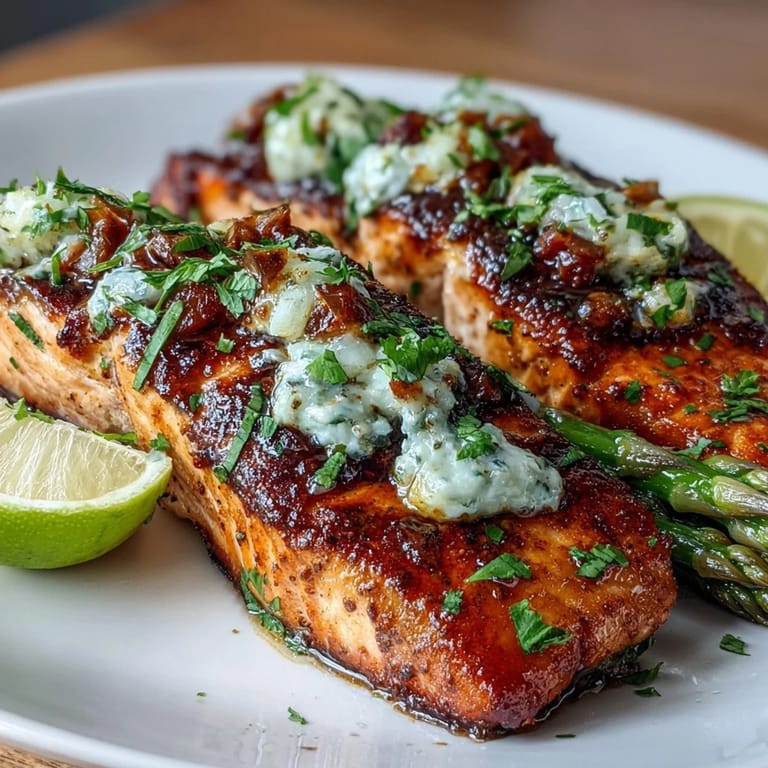
 There's something about the smell of garlic butter hitting a hot baking sheet that makes you feel like you've got this—like cooking is suddenly effortless. I discovered this salmon and asparagus combination on a random Tuesday when I had guests coming and absolutely no time to fuss, yet somehow wanted to serve something that looked like I'd been planning all week. The beauty of it is that it comes together in under 40 minutes, but tastes like you've been in the kitchen for hours.
My sister brought her new partner to dinner one spring evening, and I had maybe 20 minutes warning that they were coming by. I opened my fridge, saw salmon and asparagus, and realized I could pull off something that would make them think I was way more organized than I actually am. When they walked in and caught that garlic-butter aroma wafting from the oven, I watched their faces light up—and I've been making this exact meal ever since.
Ingredients
- Salmon fillets (4, about 6 oz each): The star of the show—look for fillets that are bright pink with no dark spots, and don't worry about skin-on versus skinless, whichever makes you happier is the right choice.
- Fresh asparagus (1 lb, woody ends trimmed): Hold a spear and bend it gently until it snaps naturally; that's where the tender part begins and where you want to cut.
- Unsalted butter (4 tbsp, melted): Use real butter here because the sauce is literally the entire flavor story—salted butter would muddy the seasoning control you need.
- Fresh garlic (3 cloves, minced): Mince it fine so it distributes evenly and doesn't leave you with surprise chunks of raw garlic heat.
- Fresh lemon juice (1 tbsp): Squeeze it yourself if you can; bottled juice tastes tinny compared to the brightness fresh lemon brings to this dish.
- Dijon mustard (1 tsp): This tiny amount adds sophistication and a subtle tang that rounds out the butter without being obvious.
- Salt (1/2 tsp) and black pepper (1/4 tsp): Taste as you go, because the salt in butter varies and you may want to adjust.
- Red pepper flakes (1/4 tsp, optional): Add this if you want a whisper of heat, or skip it if you're cooking for anyone who prefers gentler flavors.
- Lemon slices and fresh parsley (for garnish): These finish the dish visually and add a fresh brightness that makes everything taste even better.
Tired of Takeout? 🥡
Get 10 meals you can make faster than delivery arrives. Seriously.
One email. No spam. Unsubscribe anytime.
Instructions
- Get your oven ready and set the stage:
- Preheat your oven to 400°F and line a baking sheet with parchment paper or foil—this prevents sticking and makes cleanup almost nonexistent. You're essentially creating a vessel that'll hold heat evenly and let everything cook at the same gentle pace.
- Arrange salmon and asparagus like you're plating a still life:
- Place your salmon fillets in the center of the sheet, then arrange the trimmed asparagus spears around them in a single layer. Tuck lemon slices between the salmon and asparagus so they can infuse everything as they roast.
- Make the garlic butter sauce in one simple bowl:
- Whisk together the melted butter, minced garlic, lemon juice, Dijon mustard, salt, pepper, and red pepper flakes until everything is emulsified and smells absolutely incredible. This is the moment where you taste a tiny bit on your finger to make sure the seasoning feels right to you.
- Drizzle the sauce evenly over everything:
- Pour the garlic butter in a thin, even stream over both the salmon and asparagus, making sure the garlic gets distributed throughout. Don't hold back—this sauce is the whole point, so be generous.
- Roast until the salmon is just cooked through:
- Slide the baking sheet into the oven and set a timer for 15 to 18 minutes. The salmon is done when it flakes easily with a fork and the flesh is opaque but still moist (not dry), and the asparagus should be tender but still have a tiny bit of snap.
- Finish with a flourish and serve immediately:
- Pull everything out of the oven while it's still steaming, scatter fresh parsley over top if you like, and serve right away with lemon wedges on the side. The longer this sits, the more the residual heat cooks the salmon, so timing matters here.
 Pin It
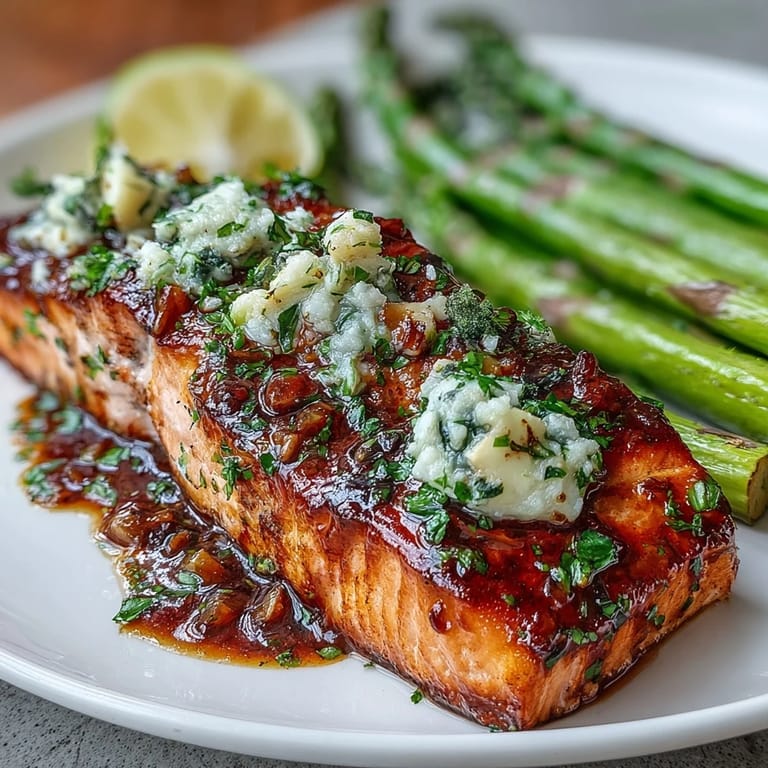
 I made this for my mom on Mother's Day once, and she spent more time talking about how elegant the lemon slices looked arranged on the plate than she did eating the food—which told me everything I needed to know about how this dish lands. It's the kind of meal that makes ordinary weeknight feel like an occasion, and that feeling is worth every bit of the minimal effort.
Why This Works as a Sheet Pan Dinner
Sheet pan cooking is honestly my favorite kitchen shortcut because it tricks people into thinking you've fussed more than you have. Everything cooks together, the flavors mingle, and you're left with one thing to wash instead of a pile of pans. The oven does almost all the work while you pour a glass of wine and pretend you're more sophisticated than you probably are.
Timing and Temperature Matter More Than You Think
I learned this the hard way when I got distracted and left salmon in the oven for 25 minutes—it went from perfectly moist to sad and flaky in about five minutes. The sweet spot is when you can see the salmon just barely starting to flake at the thickest part but still looks slightly translucent in the center. Trust me on the 15 to 18 minute window; set a timer on your phone and actually look at it.
Variations and Swaps That Actually Work
The skeleton of this recipe is so solid that you can play around without breaking it. I've used green beans when asparagus was out of season, thrown halved cherry tomatoes on there in summer, and even subbed in broccolini when that's what I had on hand. The garlic butter works with literally any vegetable you pair it with, so don't be afraid to riff based on what's in your fridge.
- Swap the red pepper flakes for fresh herbs like dill or tarragon if you want a different flavor direction.
- Add a sprinkle of Parmesan over the asparagus before roasting for a nutty, savory depth.
- Serve alongside rice or crusty bread to soak up every last drop of that garlic butter sauce.
 Pin It
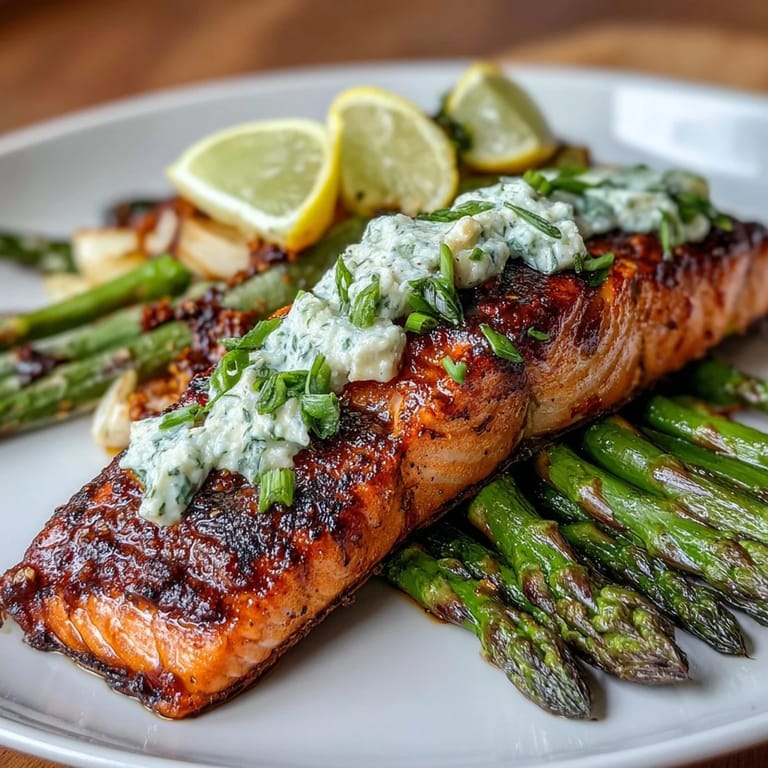
 This is the kind of recipe that lives in your regular rotation because it works, every single time, and people always ask for it. Keep it simple, trust the process, and enjoy how good your kitchen smells.
Recipe FAQs
- → What oven temperature is best for roasting salmon and asparagus?
Roast at 400°F (200°C) to ensure the salmon cooks evenly and asparagus becomes tender-crisp.
- → Can I use frozen asparagus for this dish?
Fresh asparagus is preferred for its texture, but frozen can be used if thawed and patted dry to prevent sogginess.
- → How can I tell when the salmon is done?
Salmon is ready when it flakes easily with a fork and has an opaque appearance throughout.
- → Is it necessary to remove the salmon skin before cooking?
Skin can be left on to help keep the fillets moist during roasting; it can be eaten or removed after cooking based on preference.
- → What can I substitute for Dijon mustard in the sauce?
You can substitute with yellow mustard or a touch of whole grain mustard to maintain similar flavor balance.
- → Can I prepare this dish ahead of time?
While the sauce can be mixed in advance, assemble and roast salmon and asparagus just before serving for optimal freshness.