 Pin It
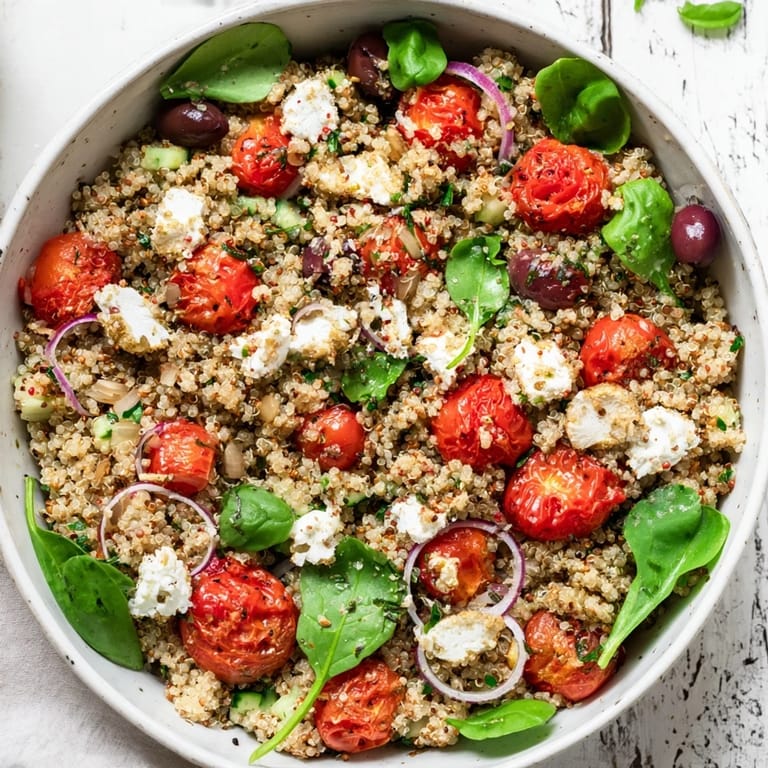
 I started making these bowls on Sunday nights when I needed something colorful and filling that wouldn't leave me feeling heavy. The first batch, I forgot to dry the chickpeas properly and they turned out soggy instead of crispy—lesson learned fast. Now the sound of them crackling in the oven is my favorite part of the process. There's something about the way the feta crumbles over warm grains that makes even a quiet dinner feel like a small celebration. It's become my reset meal when the week ahead feels chaotic.
I made this for a friend who claimed she didn't like quinoa, and she went back for seconds without realizing what she was eating. We sat on the back porch with our bowls, and she kept asking what made the chickpeas so good. Sometimes the best compliment is watching someone forget their own rules. That night, the recipe earned its permanent spot in my rotation.
Ingredients
- Quinoa or brown rice: Quinoa cooks faster and has a fluffier texture, but brown rice brings a heartier, nuttier flavor—I go back and forth depending on my mood.
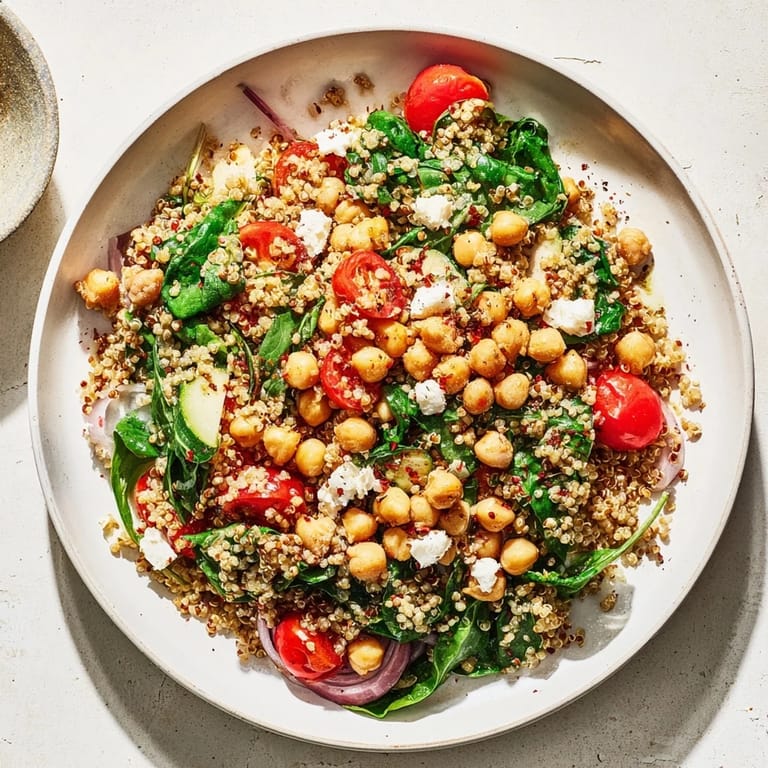
- Chickpeas: The star of the bowl, and the key is drying them completely before tossing with oil so they crisp up instead of steam.
- Cumin and smoked paprika: These two spices transform plain chickpeas into something you'll want to snack on straight from the pan.
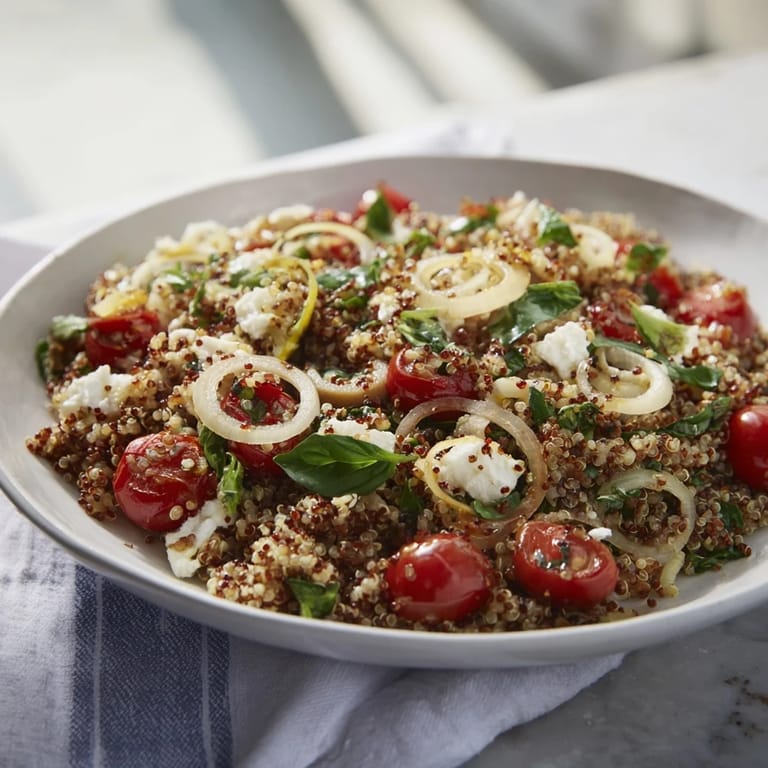
- Cherry tomatoes: I like them halved because they release just enough juice to mix with the olive oil and create a light dressing.
- Cucumber: Adds a refreshing crunch that balances the richness of the feta and the warmth of the grains.
- Feta cheese: Use block feta and crumble it yourself—it's creamier and less salty than the pre-crumbled kind.
- Kalamata olives: Their briny punch cuts through the bowl and keeps each bite interesting.
- Lemon juice: Freshly squeezed is a must—it brightens everything and ties the flavors together.
Tired of Takeout? 🥡
Get 10 meals you can make faster than delivery arrives. Seriously.
One email. No spam. Unsubscribe anytime.
Instructions
- Cook the grains:
- Combine your grains with water or broth and a pinch of salt, then let them simmer covered until tender and fluffy. I use vegetable broth when I remember because it adds a subtle depth that plain water just can't match.
- Roast the chickpeas:
- Pat them very dry with a towel, toss with olive oil and spices, then spread them out on a baking sheet without crowding. Shake the pan halfway through so they brown evenly and get crispy all over.
- Prepare the vegetables:
- Chop everything while the chickpeas roast—the timing works out perfectly. I like my red onion sliced thin so it's sharp but not overpowering.
- Assemble the bowls:
- Start with a base of warm grains, then layer on greens, vegetables, chickpeas, and feta in whatever order feels right. There's no wrong way to build it as long as everything makes it in.
- Finish and serve:
- Drizzle with good olive oil and a squeeze of lemon, then scatter parsley and black pepper on top. Serve it right away while the chickpeas are still warm and crispy.
 Pin It
 One evening I packed these bowls into containers and brought them to a potluck, worried they'd seem too simple next to everyone else's elaborate dishes. They disappeared first. Someone asked if I catered, and I just laughed. It reminded me that food doesn't need to be complicated to feel special—it just needs to taste like you actually care.
Making It Your Own
This bowl is a template more than a strict recipe. I've swapped in roasted red peppers when I had a jar open, added avocado when they were perfectly ripe, and used farro instead of quinoa when I wanted something chewier. Once you know the formula—grain, protein, vegetables, something creamy, something acidic—you can riff on it endlessly without losing what makes it work.
Storage and Meal Prep
I make the grains and chickpeas on Sunday and keep them separate in the fridge for up to four days. The chickpeas lose some crispness after day two, but a quick reheat in a hot skillet brings them back to life. Store the fresh vegetables and feta separately so nothing gets soggy, then assemble each bowl fresh when you're ready to eat.
Serving Suggestions
These bowls are satisfying on their own, but sometimes I'll warm up pita bread and use it to scoop up the grains and vegetables. A dollop of hummus or tzatziki on the side turns it into a more filling meal without much extra effort. On cooler nights, I've even served it with a small cup of lemon soup on the side, and it felt like a complete Mediterranean feast.
- Add a handful of toasted pine nuts or slivered almonds for extra crunch and richness.
- Drizzle with tahini thinned with lemon juice if you want a creamier, nuttier finish.
- Serve alongside warm flatbread or stuff everything into a wrap for an easy handheld version.
 Pin It
 This bowl has become my go-to when I want something nourishing without overthinking it. It's proof that simple ingredients, treated well, can feel like exactly what you needed.
Recipe FAQs
- → What grains work best in this bowl?
Quinoa and brown rice are ideal for their texture and flavor, but farro or bulgur can be great alternatives for different tastes.
- → How do you achieve crispy roasted chickpeas?
Pat chickpeas dry, toss with olive oil and spices, then roast at 400°F (200°C) for 20-25 minutes, shaking halfway to ensure even crispiness.
- → Can this dish be made vegan?
Yes, simply omit the feta or replace it with a plant-based alternative to keep the same creamy texture.
- → What is the purpose of lemon juice in the bowl?
Lemon juice adds brightness and balances the flavors, enhancing the freshness of vegetables and richness of olive oil.
- → Are there any common allergens in this dish?
It contains milk from feta cheese. Also, olives may be processed near nuts, so check labels if sensitive.
- → How can I add more flavor variations?
Adding roasted red peppers or avocado can introduce new textures and tastes, making the bowl more vibrant and satisfying.