 Pin It
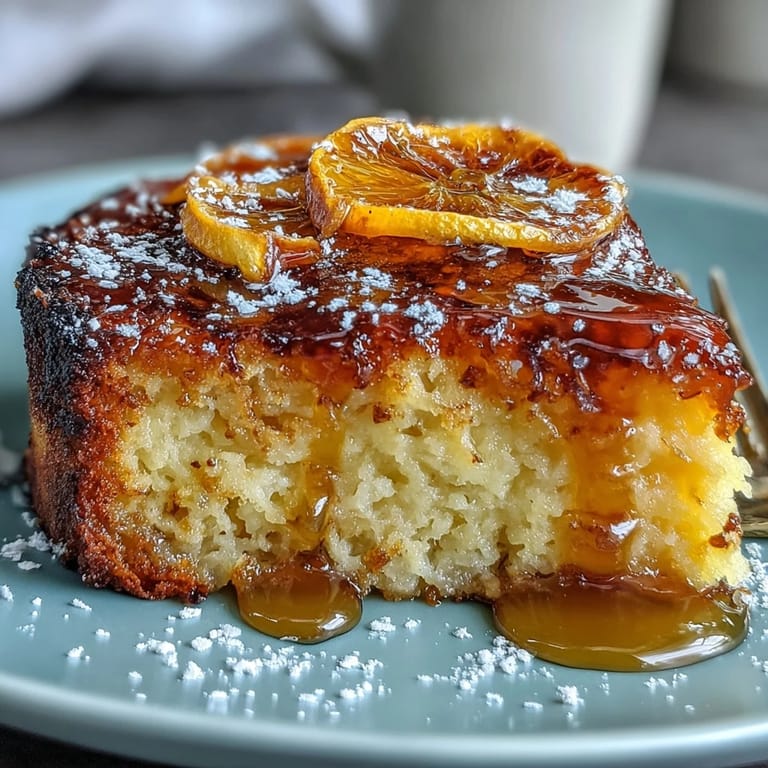
 The sharp, sun-drenched scent of orange always reminds me of afternoons when I needed a dessert that promised both speed and a touch of drama. The first time I blitzed a whole orange—peel, pith, and all—right into cake batter, my kitchen filled with an aroma so electric that even the neighbor's cat peeked in. I've long believed that cake should be as fun to make as it is to eat, and this one is playfully simple. There's little fuss and no zesting nightmares, just a blender and a sense of citrus adventure. You'll soon see why this cake took the internet by storm.
On a rainy Sunday, I decided to make this for a friend's impromptu visit, and we ended up laughing at the flecks of orange peel swirling in the batter. She couldn't believe how smooth the mix became, even though we barely cleaned up. Everyone had second helpings, and the leftover slice somehow grew more fragrant overnight—though it didn't last much longer. It's now our go-to "back pocket" cake for last-minute celebrations or just-because days.
Ingredients
- Large organic orange: Using the whole fruit infuses bold citrus notes; organic is vital since the peel goes in—scrub it well.
- Eggs: They lend structure and richness, and room temperature is best for a fluffier crumb.
- Vegetable oil: This keeps the cake tender and moist, even days later; any neutral oil works, but I prefer sunflower.
- Vanilla extract: Just a splash rounds out the orange, making each bite fragrant and mellow.
- Granulated sugar: Sweetens and balances the orange's gentle bitterness; don't reduce too much or it can be tart.
- All-purpose flour: Provides the backbone of the cake; sifting helps avoid lumps when folding in the wet ingredients.
- Baking powder: Lifts every slice, making the crumb delicate and airy; be sure it's fresh.
- Salt: A small amount wakes up the flavors and tempers the sweetness.
- Powdered sugar: Dusting on top adds visual flair and a soft sweetness—though the cake shines even plain.
Tired of Takeout? 🥡
Get 10 meals you can make faster than delivery arrives. Seriously.
One email. No spam. Unsubscribe anytime.
Instructions
- Prep your pan and oven:
- Get your oven heating to 350°F (175°C), and line a 9-inch pan so nothing sticks—parchment makes removal a breeze.
- Blend the orange base:
- Toss orange quarters (peel and all), eggs, oil, and vanilla into a blender; pulse until the mixture looks like a sunset smoothie and no peel pieces remain.
- Whisk dry ingredients:
- In a roomy bowl, whisk sugar, flour, baking powder, and salt until mixed and lightened—a few extra turns with the whisk work wonders.
- Mix wet and dry together:
- Pour your sun-bright orange mix into the dry bowl; fold gently, stopping when you don't see any pockets of flour—overmixing can make the cake dense.
- Bake the cake:
- Transfer your fragrant batter to the prepared pan, smoothing the surface; the oven will soon fill your kitchen with a sweet, citrusy aroma.
- Check and cool:
- Bake for 45–50 minutes, then test with a toothpick for doneness; let it rest in the pan for 10 minutes before turning onto a rack.
- Final flourish:
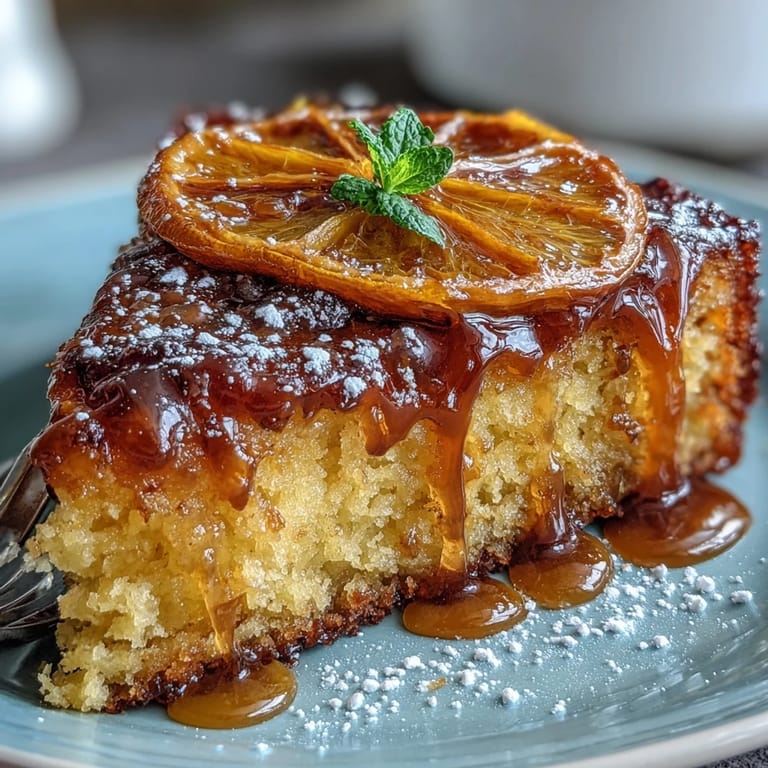
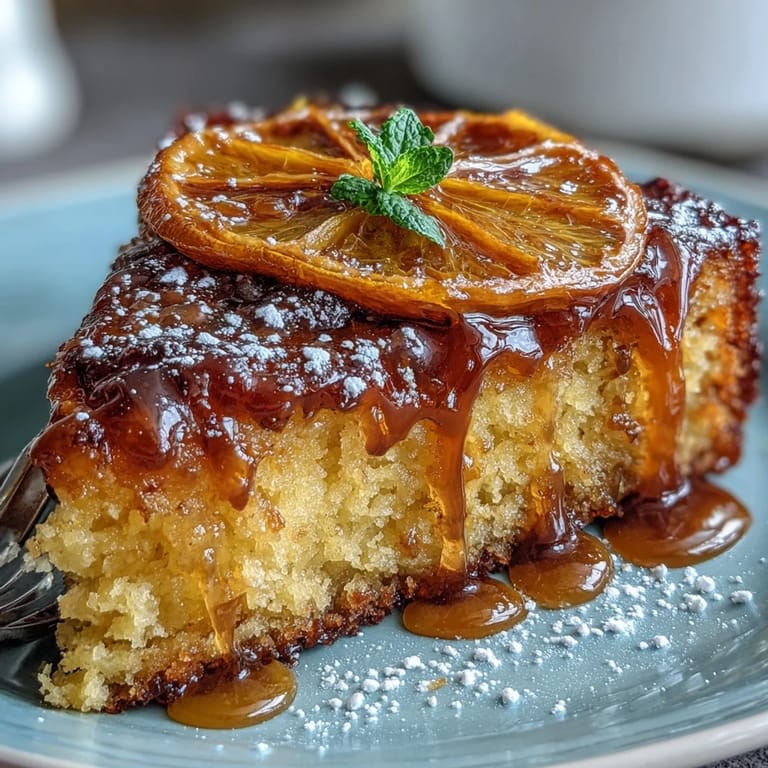
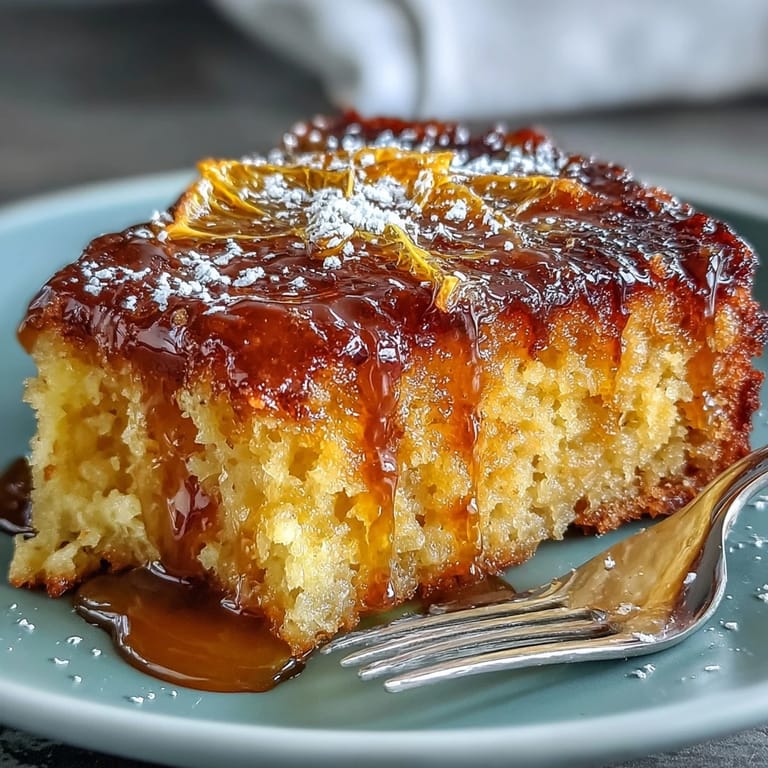
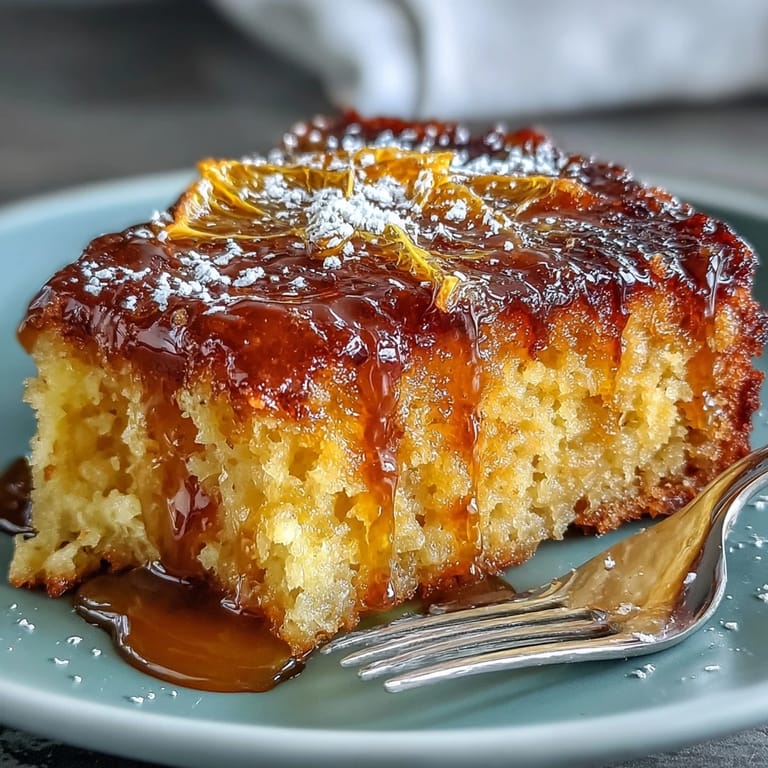
- Once cool, sift a generous blanket of powdered sugar over the top—or leave it bare and bold.
 Pin It
  Pin It
 One afternoon, my cousin dropped by just as I pulled this cake from the oven. The kitchen was full of golden light and orange steam, and we ate thick slices with coffee, both a little surprised by how something so quick could taste so layered. Since then, it's become the cake we sneak into picnic baskets and reconnect over at late-night kitchen counters. The story of this cake now lives in our family group chat, emoji and all.
Making It Your Own
I tried adding a dash of orange liqueur and once, a sprinkle of cardamom—each tweak made the fragrance bloom differently, so don't be afraid to riff. You can also serve with dollops of whipped cream, which catches the powdered sugar like new snow. For a zesty twist, I sometimes swap in a blood orange for a deeper color and earthier flavor. If you want it dairy-free, just use plant-based toppings. The base recipe is friendly for adjustments, but the real trick is just not to overthink it.
Blender vs. Food Processor
I've wondered if a food processor does the job, but the blender always wins—it pulverizes all that peel into silken oblivion, which matters when you want a luxurious crumb. If you use a food processor, scrape down the sides a couple times for a smoother texture. With a blender, it's basically set-and-forget, except for the satisfying whirl. If you notice visible bits of peel, blend for a few more seconds. That extra minute makes all the difference for a smooth batter.
What to Serve With Orange Cake
This cake is bright enough to serve on its own, but it makes a lively partner to all sorts of sides. Vanilla ice cream adds creamy contrast, while a citrus salad doubles down on the fruit. Nothing beats a slice for breakfast with thick Greek yogurt, even better if there's a quiet morning to go with it.
- Remember to cool fully before adding toppings.
- Don't skip greasing the pan—it's crucial.
- Leftovers taste even better the next day.
 Pin It
  Pin It
 If you ever find yourself craving a cake with personality, let this citrusy wonder be your answer. Here's to joyful baking and the little bit of magic a whole orange can bring.
Recipe FAQs
- → Can I use a regular orange or must it be seedless?
Seedless oranges are easiest; if using seeded fruit, remove seeds before blending to avoid bitter bits. Choose firm, thin-skinned oranges for best texture.
- → Will the peel make the cake bitter?
The peel adds bright citrus oils and aroma. Using an organic orange and blending thoroughly minimizes bitterness; if concerned, remove the white pith before blending.
- → How can I prevent a soggy center?
Blend the orange until very smooth, fold batter gently to avoid overmixing, and ensure the oven is fully preheated. Bake until a toothpick comes out clean and the top is evenly golden.
- → Can I make dietary substitutions?
For dairy-free servings, use plant-based toppings. To make it gluten-free, substitute a cup-for-cup gluten-free flour blend and check bake time—texture may differ slightly.
- → How should leftovers be stored?
Cool completely, then wrap or store in an airtight container at room temperature for 2 days or refrigerate up to 5 days. Bring to room temperature before serving for best texture.
- → Any tips for extra flavor?
Add a tablespoon of orange liqueur or 1/2 tsp ground cardamom to the batter, or serve slices with whipped cream or vanilla ice cream to enhance richness.